Data Entry
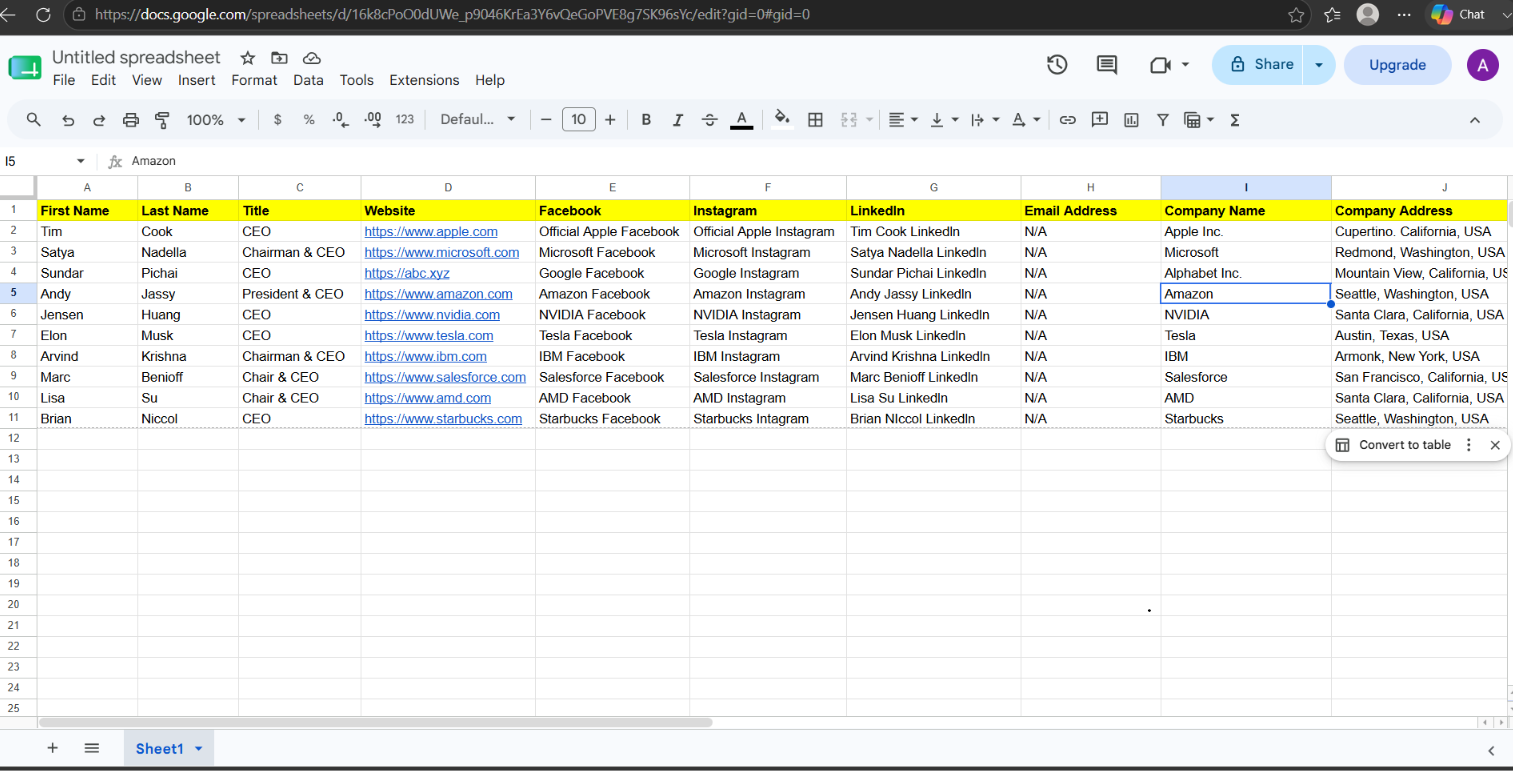
The picture shows a Top 30 Successful CEOs Database in a spreadsheet. As part of our assignment, our coach/mentor instructed us to research successful CEOs and organize the information in a spreadsheet. The table includes each CEO’s name, position, company, website, social media accounts, LinkedIn profile, email address, and company location, making the information easy to access and review.
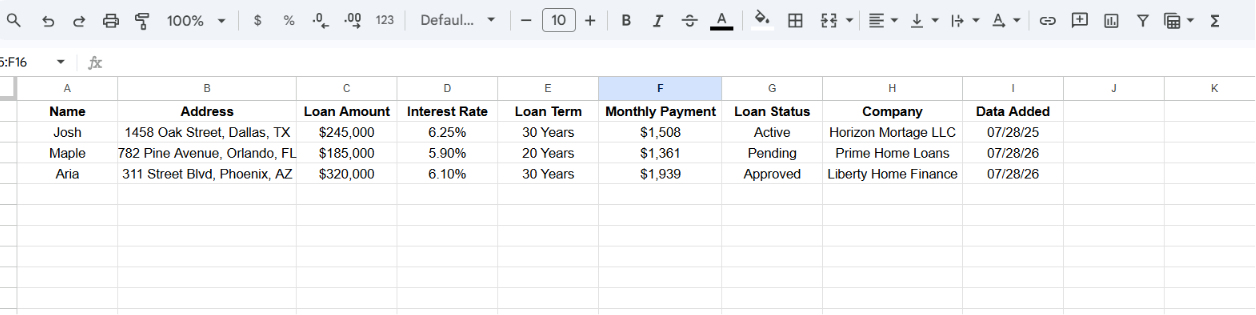
Mortgage Loan Data Entry (Google Sheets)
This file is a sample mort
gage loan database created using Google Sheets. It contains important loan information such as customer addresses, loan amounts, interest rates, loan terms, monthly payments, loan status, company names, and the date the data was added. This type of file is used to organize, track, and manage mortgage loan records accurately, making it easier to monitor loan applications and maintain updated financial information.
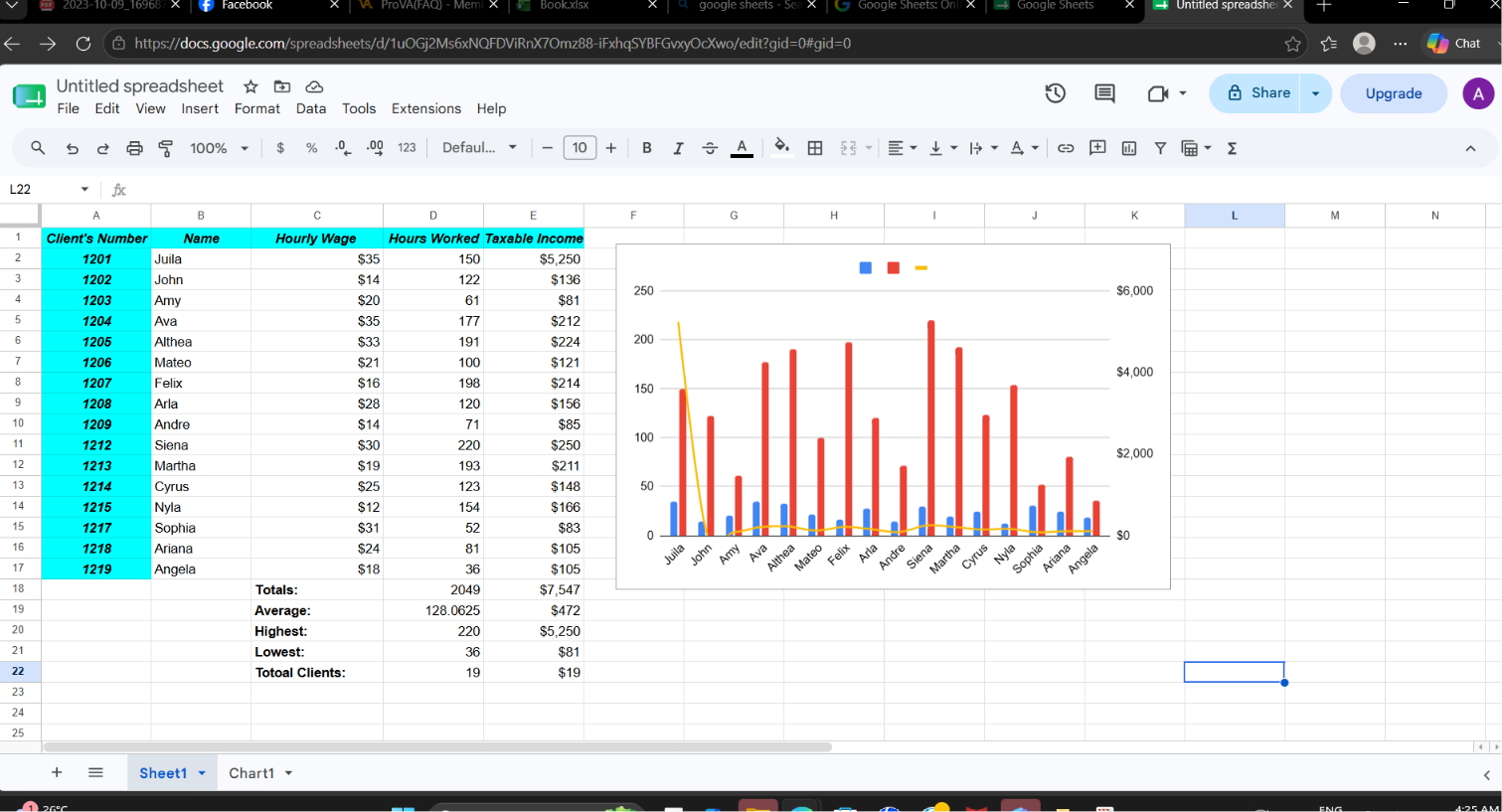
The picture shows a Customer’s Income Database in a spreadsheet. It contains client numbers, names, hourly wages, hours worked, and taxable income. A summary section displays the total, average, highest, and lowest values, while a chart on the right compares the income data visually.
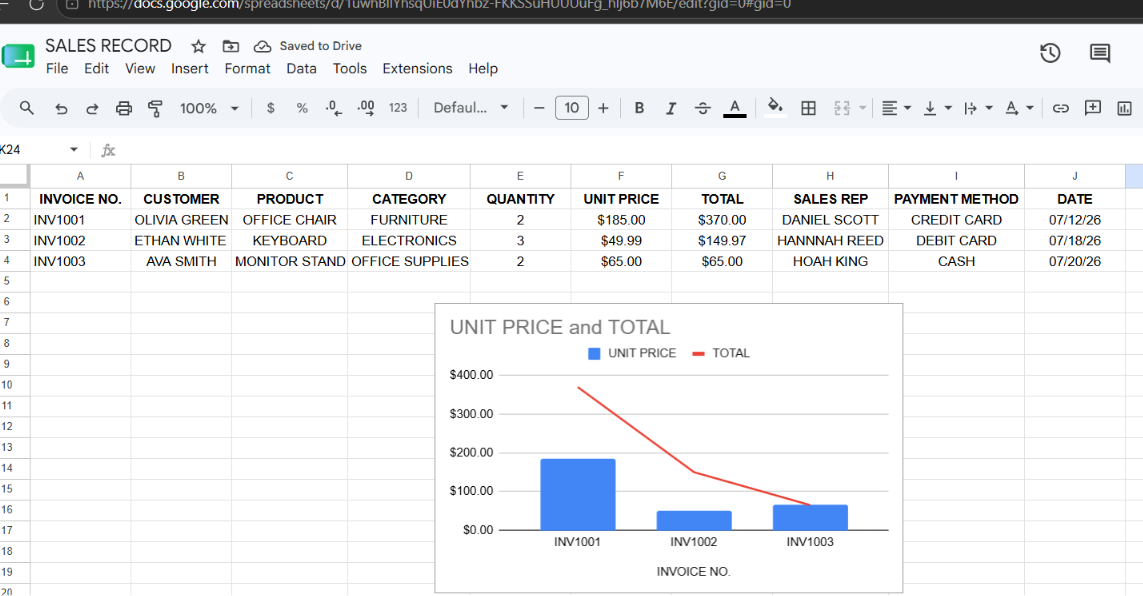
The picture presents a Sales Record in a spreadsheet that tracks completed transactions. It includes the invoice number, customer, product, category, quantity, unit price, total amount, sales representative, payment method, and date. A chart below compares the unit price and total amount for each invoice, making sales performance easy to view.
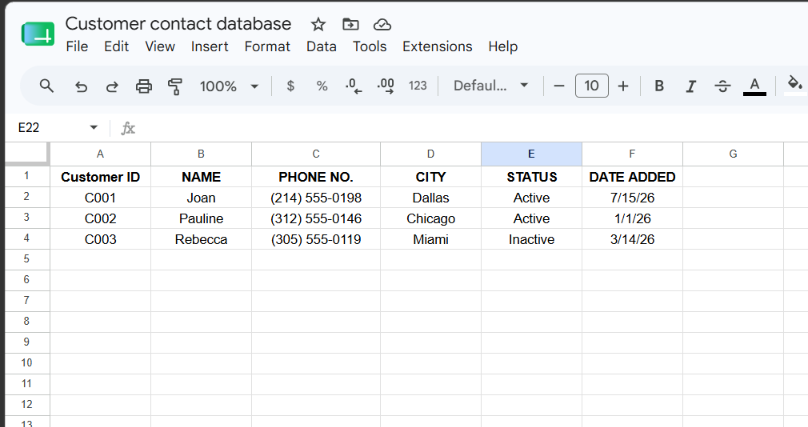
The picture shows a Customer’s Contact Database in a spreadsheet. It contains customer information, including Customer ID, Name, Phone Number, City, Status, and Date Added. The table helps organize and manage customer contact details in a simple and organized format.
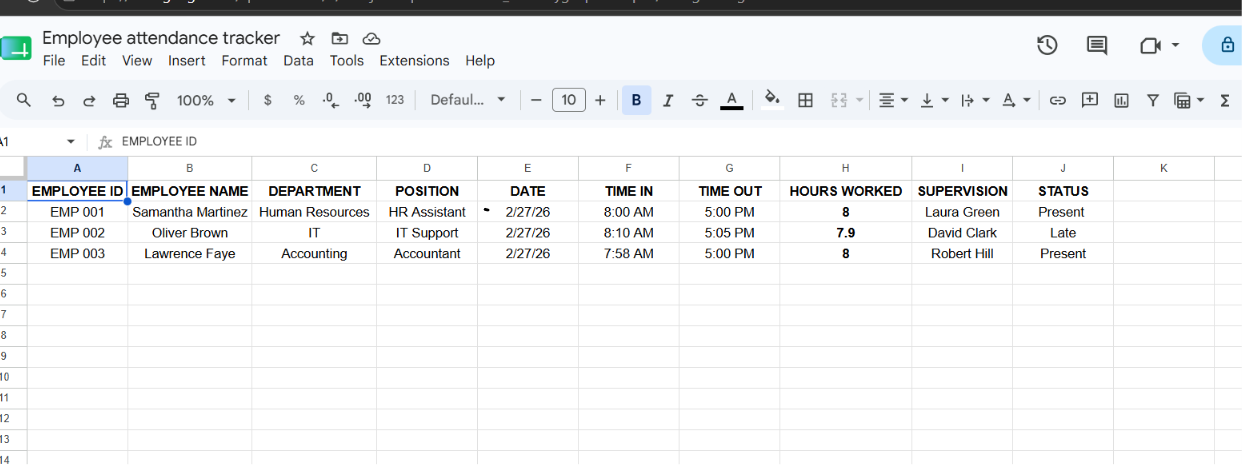
The picture shows an Employee Attendance Tracker in a spreadsheet. It records employee details, including Employee ID, Name, Department, Position, Date, Time In, Time Out, Hours Worked, Supervisor, and Attendance Status. The table helps monitor employees’ daily attendance and work hours in a clear and organized format.
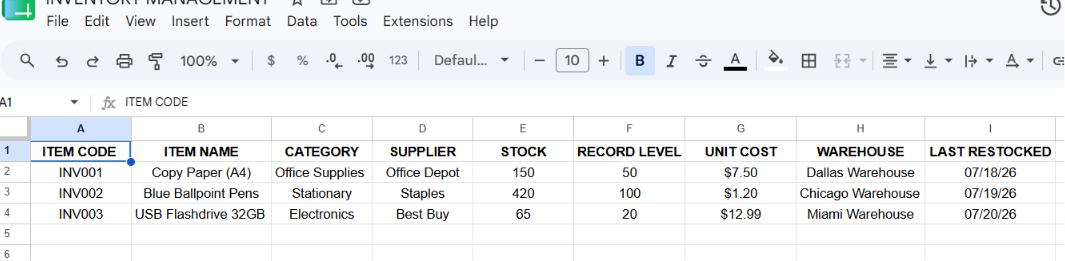
The picture features an Inventory Management spreadsheet used to monitor available products and stock information. It lists the item code, item name, category, supplier, stock quantity, reorder level, unit cost, warehouse location, and last restocked date, providing a clear overview of inventory records.
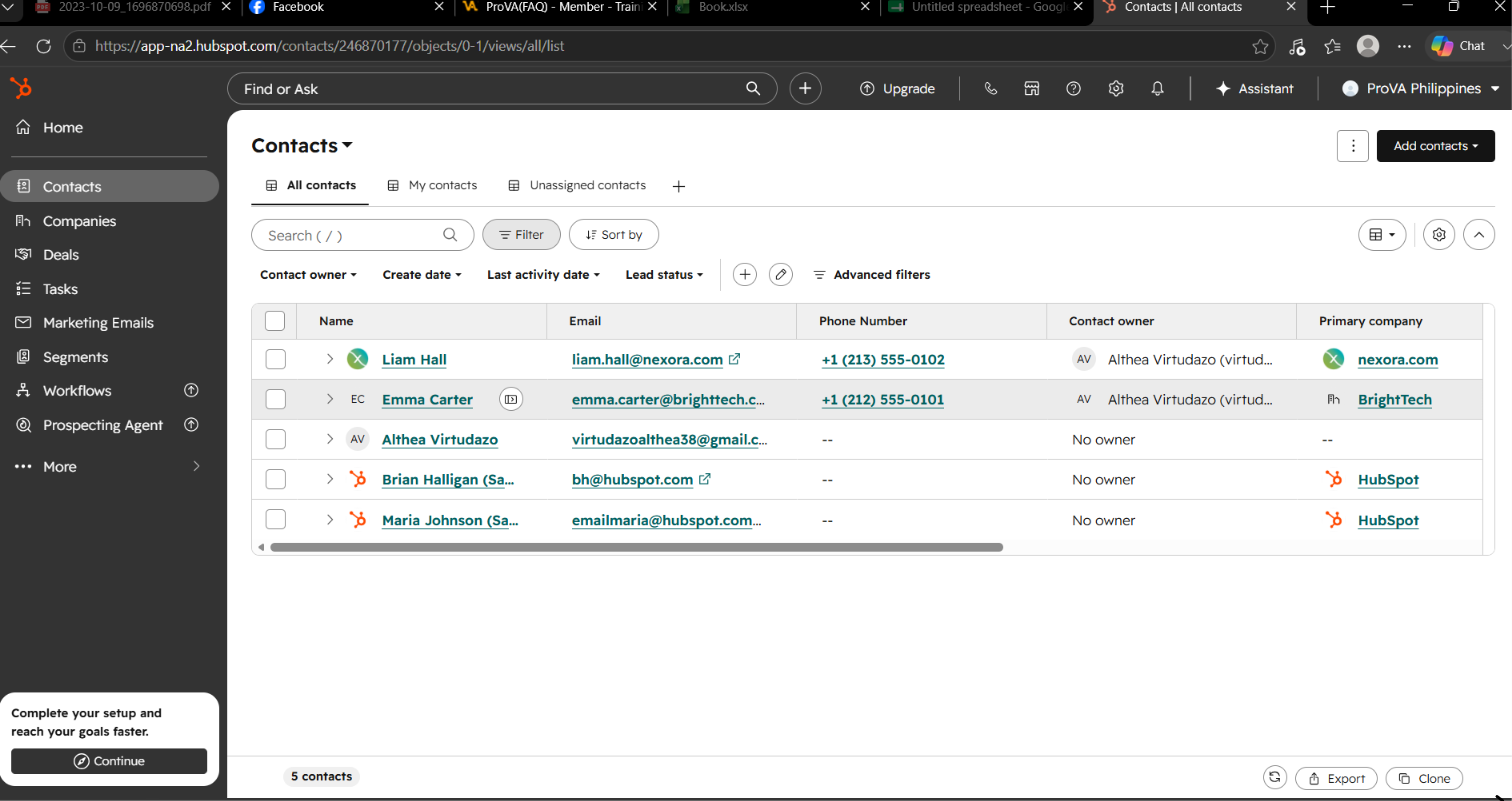
A Customer Relationship Management (CRM) Tool is used to maintain customer information and interactions in one place. It helps organize contact details, monitor communication, and improve customer service, making business operations more efficient.