Aging of Loans
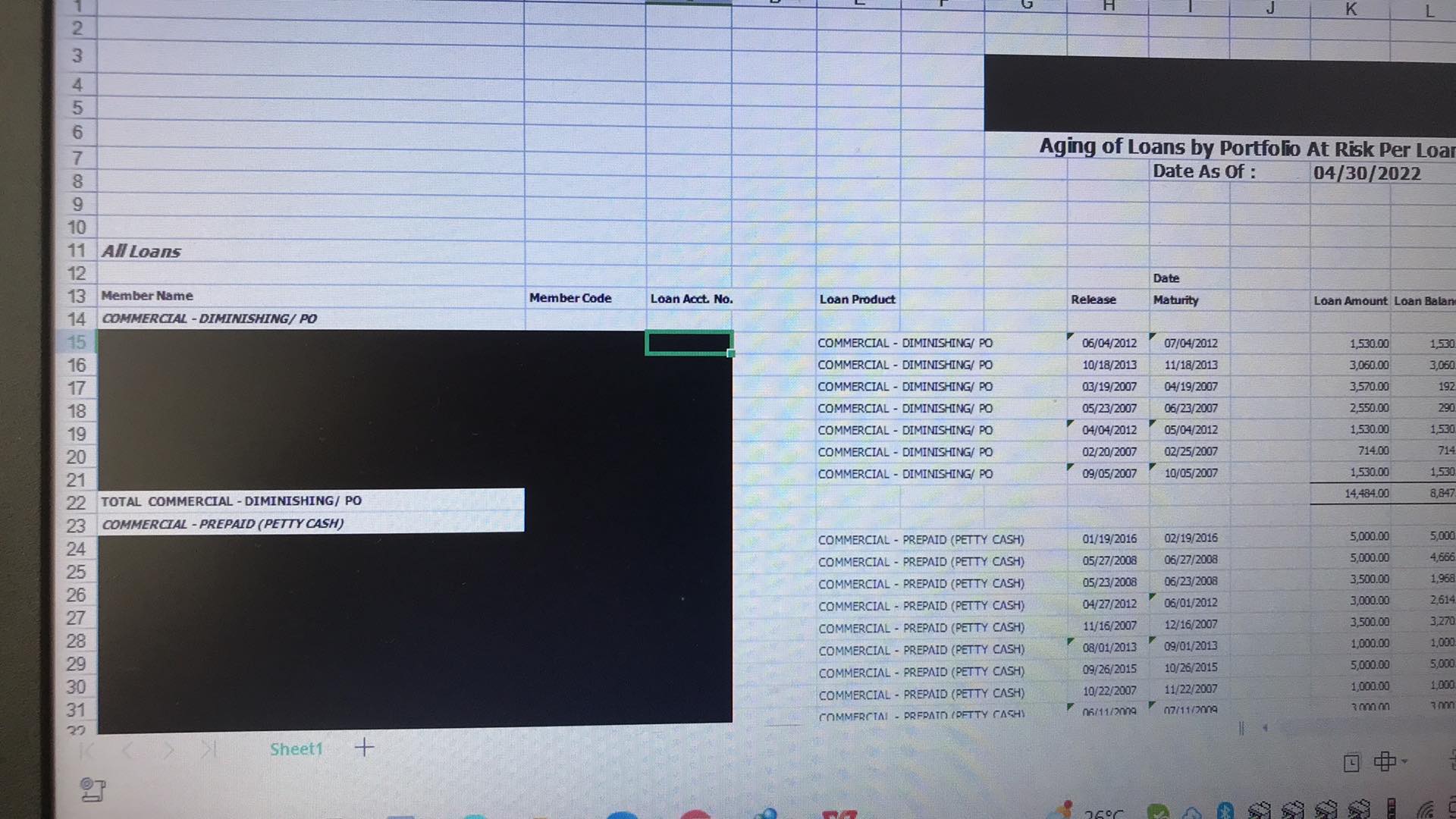
The aging of loans refers to the process of categorizing loans based on the length of time they have been outstanding or overdue. The purpose of tracking the aging of loans is to monitor the performance of a loan portfolio and identify potential problem loans that may require attention from the lender.
Typically, loans are classified into different age categories based on the number of days they have been outstanding. The specific categories may vary depending on the lender's policies and the type of loans being offered, but common categories include:
Current: Loans that are up to date on their payments and have not yet reached their due date.
30 days past due: Loans that are between 1-30 days past their due date.
60 days past due: Loans that are between 31-60 days past their due date.
90 days past due: Loans that are between 61-90 days past their due date.
120 days past due or more: Loans that are more than 90 days past their due date.
By tracking the aging of loans, lenders can identify patterns of delinquency and default, and take appropriate action to address them. For example, if a large number of loans are consistently falling into the 60 days past due category, the lender may need to review their underwriting standards or consider offering payment assistance to borrowers in order to reduce the risk of default.