Data Entry

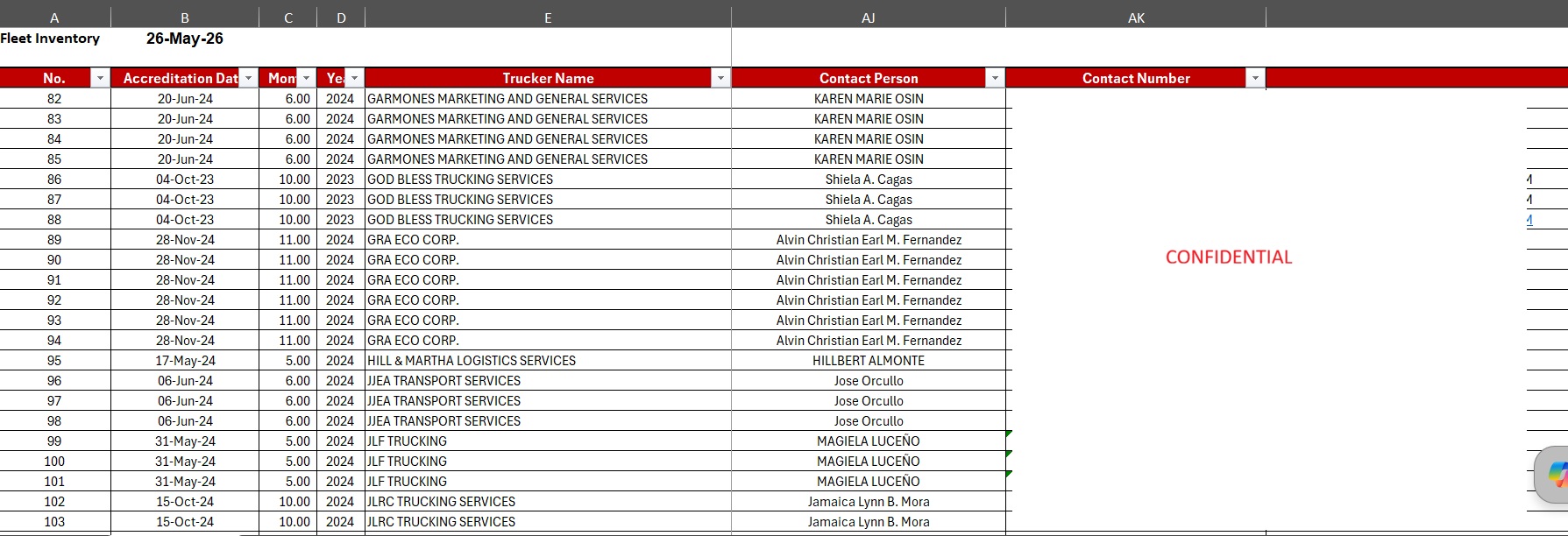
My data entry workflow starts with collecting and reviewing the data for accuracy. After verifying the information, I enter it into spreadsheets or systems, double-check for errors, organize the files properly, and update records when necessary to ensure accurate and complete data.
Tools Commonly Used
Microsoft ExcelGoogle Sheets Warehouse Management Systems (WMS) Transportation Management Systems (TMS) Email and document management tools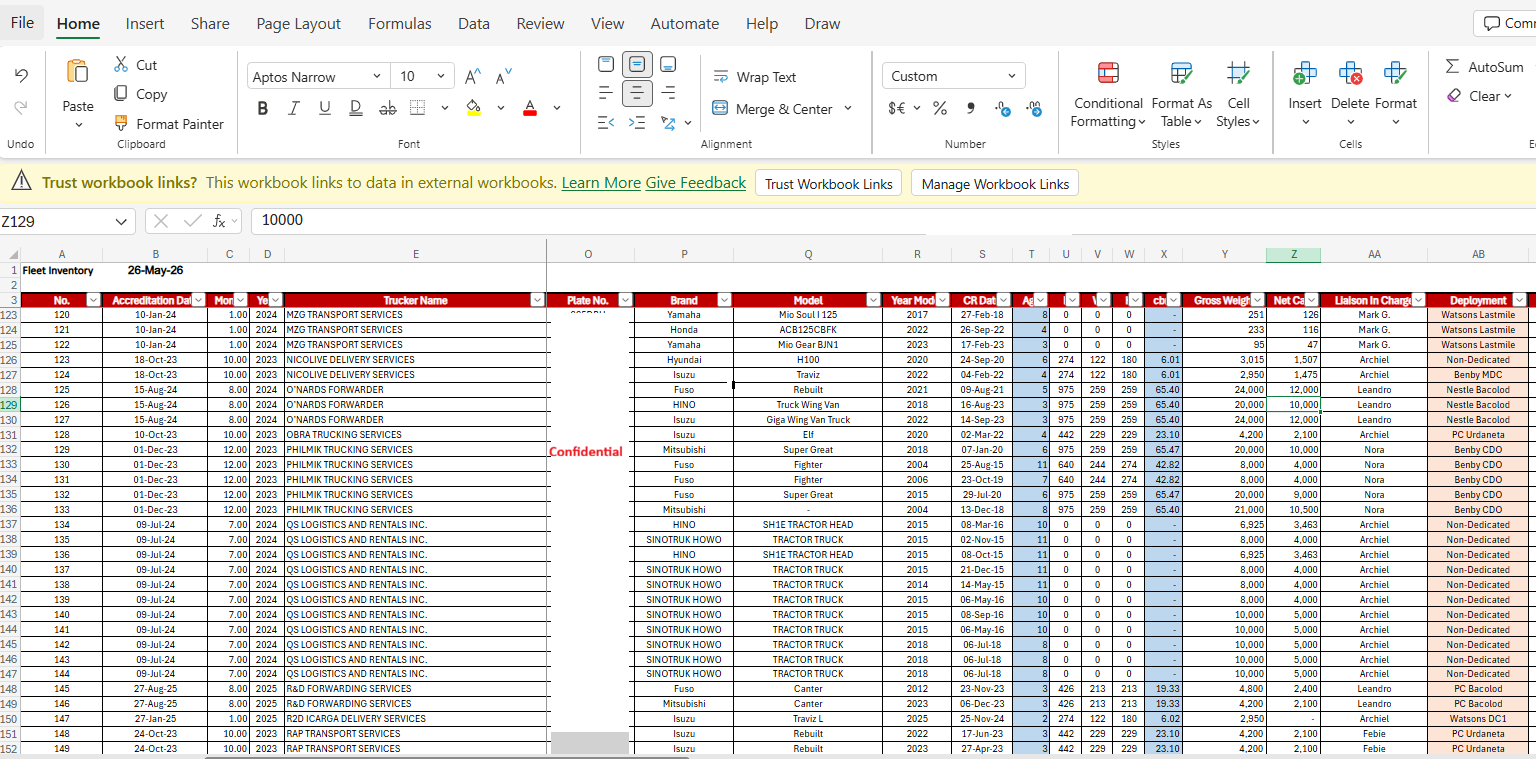
 Key Responsibilities
- Enter shipment, delivery, and trucking information into the system
- Update load status, delivery schedules, and fleet records
- Monitor truck details, driver information, and route data
- Process invoices, proof of delivery (POD), and logistics documents
- Maintain accurate records of dispatch and transportation activities
- Verify data accuracy to avoid delays or operational issues
- Coordinate with dispatchers, drivers, and operations teams for updates
Common Data Handled
- Truck unit details
- Driver information
- Delivery schedules
- Shipment tracking numbers
- Fuel and mileage records
- Fleet monitoring reports
- Logistics and freight documents
Skills Needed
- Attention to detail
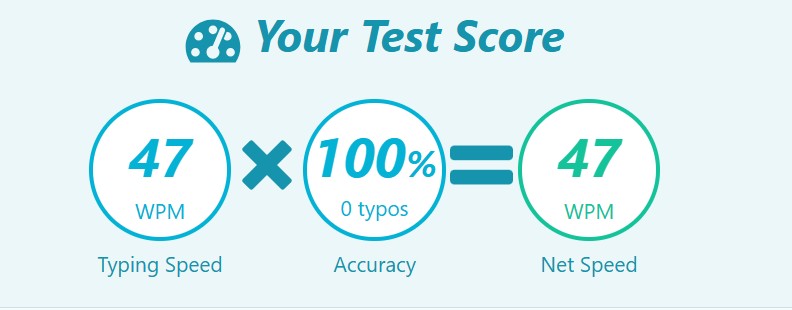
- Fast and accurate typing
- Microsoft Excel and Google Sheets proficiency
- Organization and time management
- Logistics and trucking knowledge
- Data accuracy and verification
- Communication and coordination skills
Purpose of Data Entry in Trucking
The main goal is to keep transportation data organized and updated to support efficient delivery operations, shipment tracking, fleet management, and customer service.
This role is important in logistics companies, freight forwarding operations, dispatching teams, and trucking services.